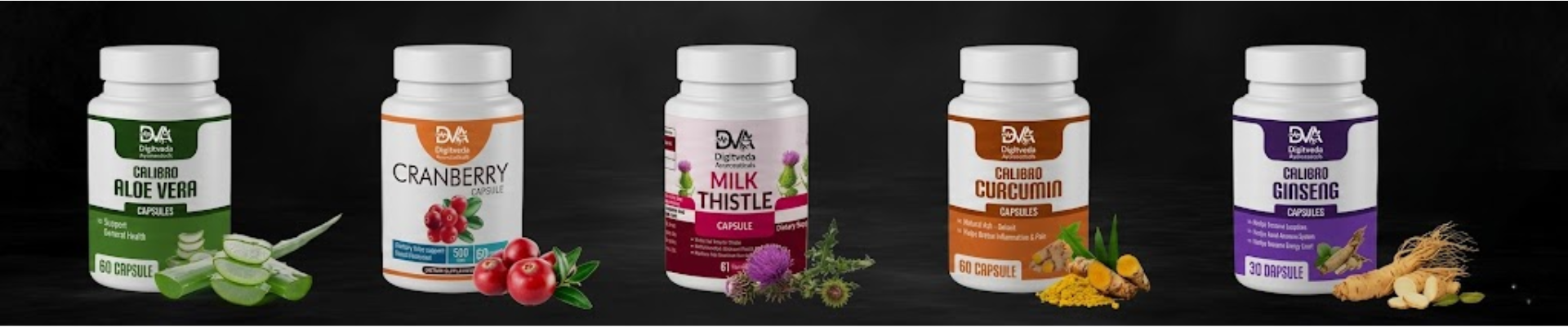
Turmeric is a common spice that comes from the root of Curcuma longa. It contains a chemical
called curcumin, which might reduce swelling.
Turmeric has a warm, bitter taste and is frequently used to flavor or color curry powders,
mustards, butters, and cheeses.
Because curcumin and other chemicals in turmeric might decrease swelling, it is often used to
treat conditions that involve pain and inflammation.
People commonly use turmeric for osteoarthritis. It is also used for hay fever, depression, high
cholesterol, a type of liver disease, and itching, but there is no good scientific evidence to
support most of these uses.
Benefits
Taking turmeric by mouth seems to reduce hay fever symptoms such as sneezing,
itching, runny nose, and congestion.
High levels of cholesterol or other fats (lipids) in the blood (hyperlipidemia).
Taking turmeric by mouth seems to lower levels of blood fats called triglycerides.
But the effects of turmeric on cholesterol levels are conflicting. Also, there are
many different turmeric products available. It is not known which ones work best.
It also seems to help prevent the build-up of more fat in the liver.
Osteoarthritis.
Taking turmeric extracts, alone or together with other herbal ingredients, can
reduce pain and improve function in people with knee osteoarthritis.
Turmeric contains bioactive compounds with medicinal properties
Curcumin is a natural anti-inflammatory compound
Turmeric can increase the antioxidant capacity of the body
Curcumin can boost brain-derived neurotrophic factor